
Castle Rock Relocation Reality Check: Red Rocks, Trails, and Commutes
Castle Rock Relocation Reality Check: Red Rocks, Trails, and Commutes
Thinking about a move to Castle Rock often starts with the postcard version: dramatic buttes, miles of open space, and that polished Douglas County feel that seems to balance suburban comfort with Colorado adventure. The reality is even more nuanced—and for many buyers, that is exactly the appeal. This is a place where you can wake up to mountain views, squeeze in an early trail run, and still make it to an office in the Denver Tech Center, but it also comes with the practical tradeoffs of growth, traffic patterns, and a competitive housing market.
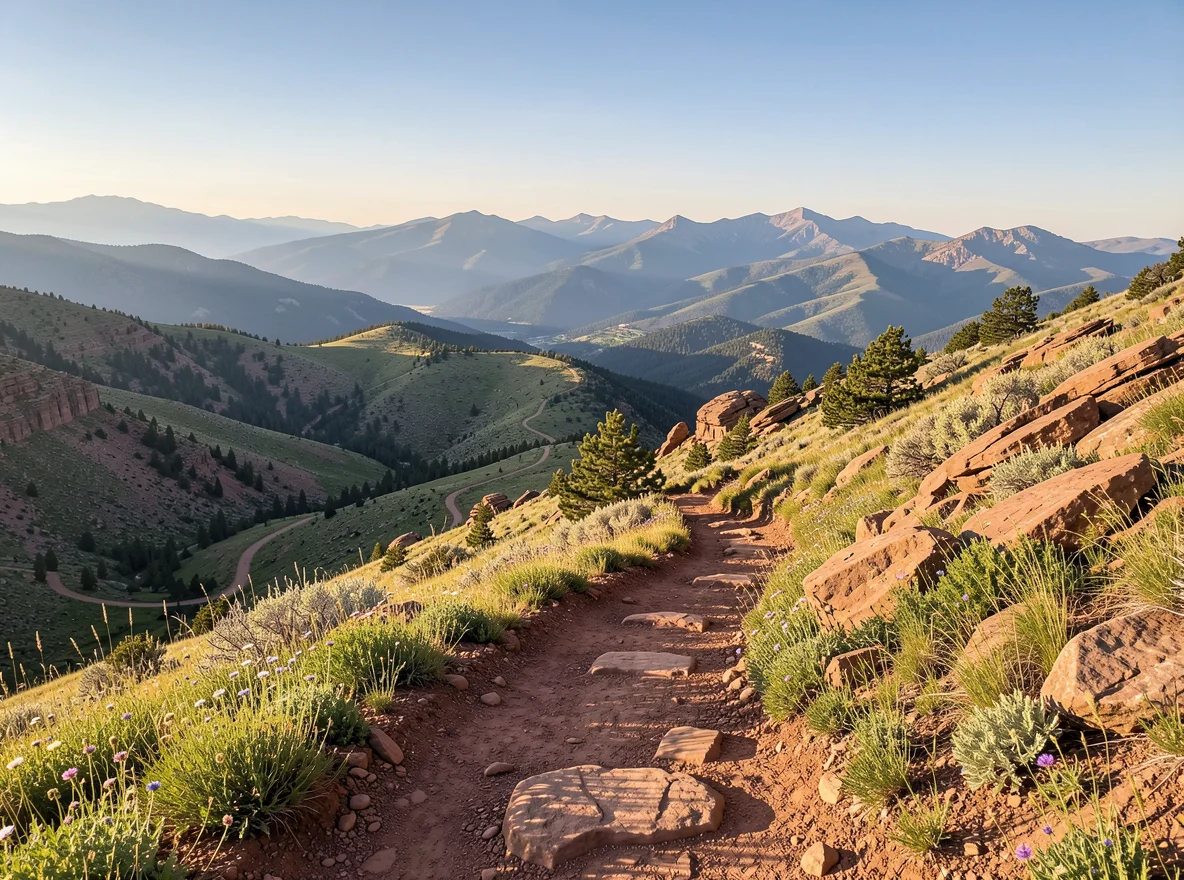
The headline lifestyle perk is easy to understand. Castle Rock sits between Denver and Colorado Springs, giving residents access to major employment centers while preserving a distinct identity of its own. Philip S. Miller Park, Ridgeline Open Space, and the web of local trails make outdoor time feel less like a weekend event and more like part of the daily routine. If your ideal community includes hiking before breakfast, golf on a sunny afternoon, and quick escapes to the foothills, Castle Rock checks a lot of boxes.
At the same time, relocation decisions here should be made with clear eyes. Commuting can vary wildly depending on where you work and when you leave. Interstate 25 is the obvious north-south spine, and while that central location is a huge advantage, it is no secret that peak-hour traffic can test your patience. A buyer headed to downtown Denver, the DTC, or Colorado Springs should think carefully about neighborhood placement, on-ramp access, and how often remote work is an option. In Castle Rock, a few miles can make a meaningful difference in your weekday rhythm.
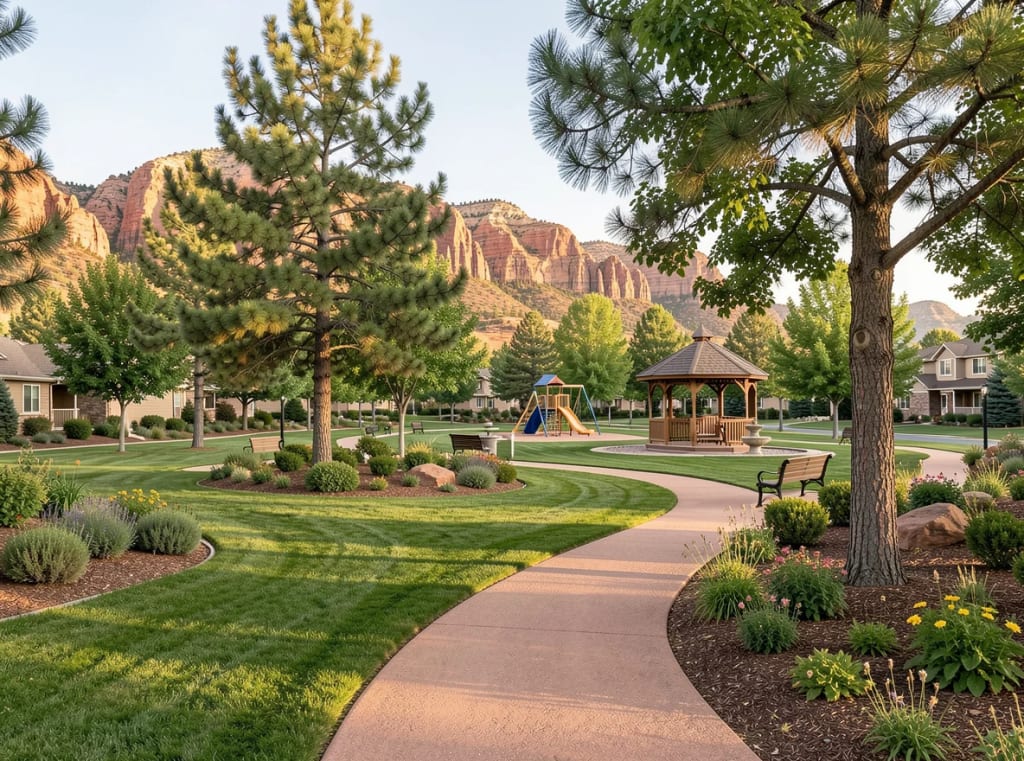
Neighborhood character also deserves more than a quick drive-through. Some areas lean newer and master-planned, with community amenities, polished streetscapes, and homes designed for modern living. Others offer larger lots, more mature landscaping, or a tucked-away feel closer to open land. Buyers relocating from denser metro areas often love the sense of breathing room, while others may need time to adjust to driving more for errands, activities, or school pickups. The right fit depends less on square footage alone and more on how you want your days to unfold.
What Daily Life Really Feels Like
Castle Rock has grown quickly, but it still manages to feel more grounded than many boomtown suburbs. Families are often drawn by highly regarded schools in the Douglas County area, youth sports, parks, and the sense that neighborhoods are designed for active living. For professionals and move-up buyers, the appeal often comes from newer homes, larger floor plans, and community amenities that can include pools, clubhouses, and trail connections. For downsizers, low-maintenance options and lock-and-leave living are becoming increasingly attractive.
There is also a strong convenience factor. Retail, everyday services, fitness options, healthcare access, and entertainment are readily available, so most essentials are close at hand. Even so, the town does not feel fully urban, and that is part of its charm. The pace is a little more spacious. The views are bigger. The evenings can feel quieter. Many residents describe Castle Rock as a place where they can stay connected to the Front Range economy without sacrificing the visual beauty and breathing room that originally pulled them to Colorado.
For recreation, this is one of those communities where the local environment shapes the culture. Trails are not just an amenity brochure talking point; they influence how people spend their mornings, weekends, and even social time. Golf is popular, parks are well used, and day trips to the mountains are part of the regional lifestyle. If you are relocating from out of state, it is worth asking yourself whether you want to admire Colorado’s outdoors or truly integrate them into your life, because Castle Rock tends to reward residents who enjoy being outside.
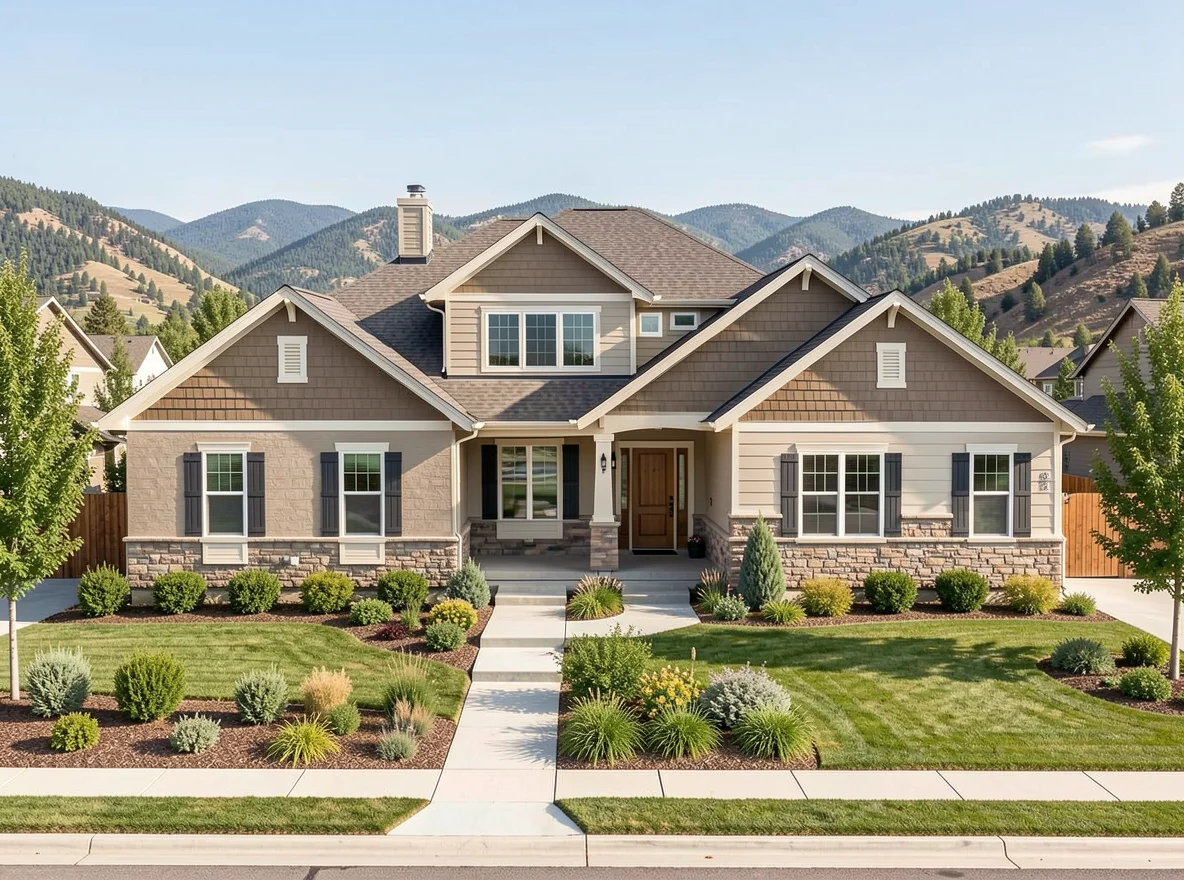
Housing inventory can span from stylish townhomes and paired homes to larger single-family residences with impressive finishes and views. Price points reflect demand, school reputation, and the area’s overall desirability. New construction can be appealing, but buyers should compare builder communities carefully, paying attention to lot size, upgrade costs, metro district considerations, and future development nearby. Resale homes may offer more established surroundings and landscaping, but competition can be strong when a well-positioned property comes to market.
Dining and local gathering spots continue to evolve as the community grows, offering more choices than many newcomers expect. Rather than thinking of Castle Rock as a sleepy pass-through between larger cities, it is better understood as a self-contained town with an increasingly complete lifestyle mix. You can still head north or south for major events and specialized attractions, but many residents find they do not need to leave town nearly as often as they once assumed.
Who Thrives Here—and Who Should Pause
Castle Rock tends to be an excellent fit for buyers who want a polished suburban environment with a distinctly Colorado backdrop. It works well for households who value newer housing, recreation access, quality schools, and a community that feels intentional rather than accidental. It is also attractive for those seeking a midpoint between Denver and Colorado Springs, especially if work flexibility allows them to avoid the worst of commuter traffic.
On the other hand, it may not be the perfect match for everyone. If you want a highly walkable urban lifestyle with nightlife just outside your door, an older neighborhood grid, or minimal driving, you may find the town a bit too car-dependent. If your job requires daily travel at the busiest times, your tolerance for interstate congestion matters. And if your budget is tight, it is important to enter the search with realistic expectations about what location, lot size, and home age your price point can command.
The smartest relocation strategy is to think beyond the mountain-view fantasy and drill into the details: your actual commute, the school priorities that matter to your household, the kind of neighborhood energy you enjoy, and how often you will use those trails and parks. Castle Rock shines brightest when the lifestyle and logistics line up. For the right buyer, it offers a compelling blend of scenery, strong community planning, and everyday livability that feels both aspirational and practical—a rare combination in a fast-growing Front Range market.